
What Is Osteopathy and How Can It Help You?
An osteopath is a health professional who uses hands-on techniques to diagnose, treat, and prevent a wide range of musculoskeletal conditions. They specialize in manual therapy that targets the fascia, joints, muscles, spine, viscera (organs) and connective tissue such as ligaments, tendons or more, focusing on how these systems work together to influence the body’s overall health and mobility. Pain in both the acute and chronic stage can be treated by a Manual Osteopath.
Rather than simply treating symptoms, Top Rehab’s manual osteopath considers the whole body to identify the root cause of pain or restriction. This approach supports the body’s ability to heal itself and emphasizes preventative care, rehabilitation, and long-term health. To your advantage, Top Rehab also Direct Bill with 35+ insurers for Osteopath services, check out for your eligibility for Osteopath Direct bill if Budget is one of the considerations to book.
Testimonials from Top Rehab Osteopath clients
The best massage in the Mississauga area!!!!!!
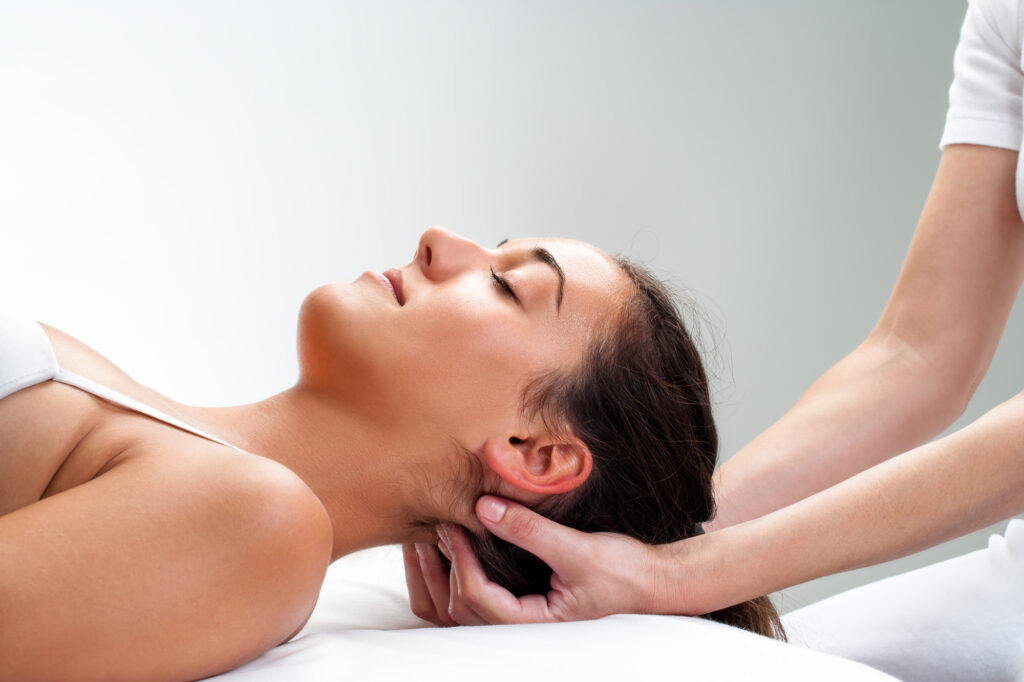
Osteopath treated common Conditions
Osteopathy addresses a wide range of conditions, including:
Musculoskeletal Issues: Body Pain such as Back and neck pain, joint stiffness, muscle strains, and postural problems.
Neurological Conditions: Concussion, Headaches, migraines, and sciatica.
Digestive Disorders: Irritable bowel syndrome, constipation, and acid reflux.
Respiratory Problems: Asthma, sinusitis, and chronic bronchitis.
Pediatric Concerns: Colic, sleep disturbances, and developmental delays.
Sports Injuries: Tennis elbow, runner’s knee, and repetitive strain injuries.
Stress-Related Conditions: Anxiety, fatigue, and tension headaches.
Why Choose Our Osteopath Practitioner? (with Direct Billing)
Our clinic stands out by offering personalized care tailored to each individual’s needs. With a commitment to holistic healing, we focus on identifying and treating the root causes of discomfort rather than just alleviating symptoms. Our Senior Osteopath with 15+ years experience employ a range of techniques to ensure optimal results, guiding you on a path to sustained health and vitality, list of techniques: Use of Touch, Muscle Energy Techniques, Soft tissue release, joint of mobilization, Chinese Tui-na Massage and deep tissue massage, Strain-Counter Strain, Facilitated Positional Release, Osteopath Craniosacral therapy, Osteopath Visceral therapy.
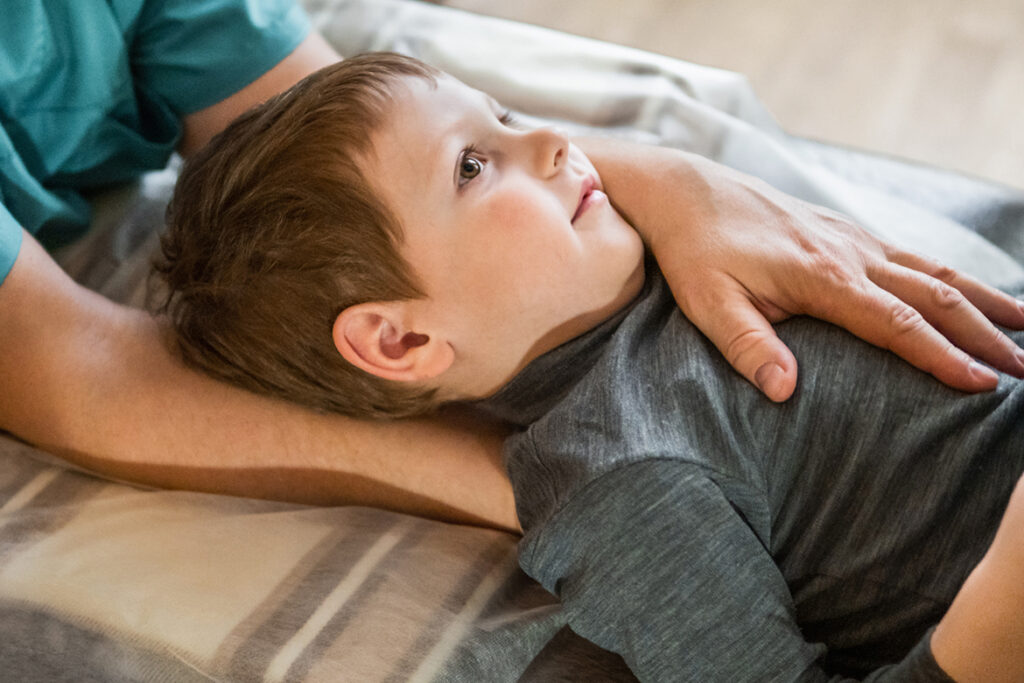
Book Your Osteopathy Appointment Today to help you feel better. or Free 15minutes consultation session
What to Expect?
The Osteopathy Session will be a full body massage or therapeutic session that can be customized for individual. Please feel free to let your therapist know the main concern area before the session started.
How to Prepare?
To help you get the most out of your session. Please arrive 10-15 minutes earlier for initial Osteo session in order to complete the intake forms or any necessary paperwork like direct billing, and to relax before your treatment.
What to Wear?
We suggest you wear comfortable, loose fit clothing for your session. Normally you do not need undress yourself for the osteopathy session unless for specific concerns such as visceral therapy.
Top Rehab’s Osteopathy with Direct-billing
Top Rehab also direct bill or e-claim Osteopathy treatment sessions, if your plan allows; with 35+ insurance company directly under the Extended Health Care(EHC) plans; Top Rehab also supports all the FSCO listed Motor Vehicle Accidents(MVA) car insurance company to help you with your whiplash treatments on the path to recovery from car injury, or Work injury Insurances(known as WSIB)
We understand how important direct billing is for patients today. That’s why we’re developing an easy-to-use Osteo-Direct Billing tool below to help you check if Top Rehab can provide direct billing or e-claims for your osteopath treatments in Mississauga. Try the tool now!
Osteopath Massage in Mississauga
It is Recommended you check out our Osteopath client’s testimonial above for our Master Manual Osteopathy and others in our team of Osteopath Mississauga who helped clients with various conditions and well-being life styles.
If you’re still searching for an osteopath near me, osteopath close to me, whether on Google or emerging platforms like ChatGPT by OpenAI ,or wondering what osteopathic massage feels like, or looking for osteopathy massage in Mississauga,— we’re here to help. Our experienced osteopath combines skilled hands-on therapy with a holistic approach to care. No need to look further — contact us today to book your osteopathic appointment at our Mississauga clinic near Square One and Heartland Centre. Discover how osteopathy can restore your balance and enhance your well-being — naturally.
Benefits of Osteopathic Treatment
Here are the Top 30 Benefits of Osteopathy based on evidence based approaches and customer feedback, primarily
Pain Relief: Reduction in chronic and acute pain without the need for medication.
Improved Mobility: Enhanced joint flexibility and muscle function.
Better Circulation: Stimulated blood flow promoting healing and energy.
Stress Reduction: Calming of the nervous system leading to relaxation.
Enhanced Well-being: Overall improvement in physical and mental health.
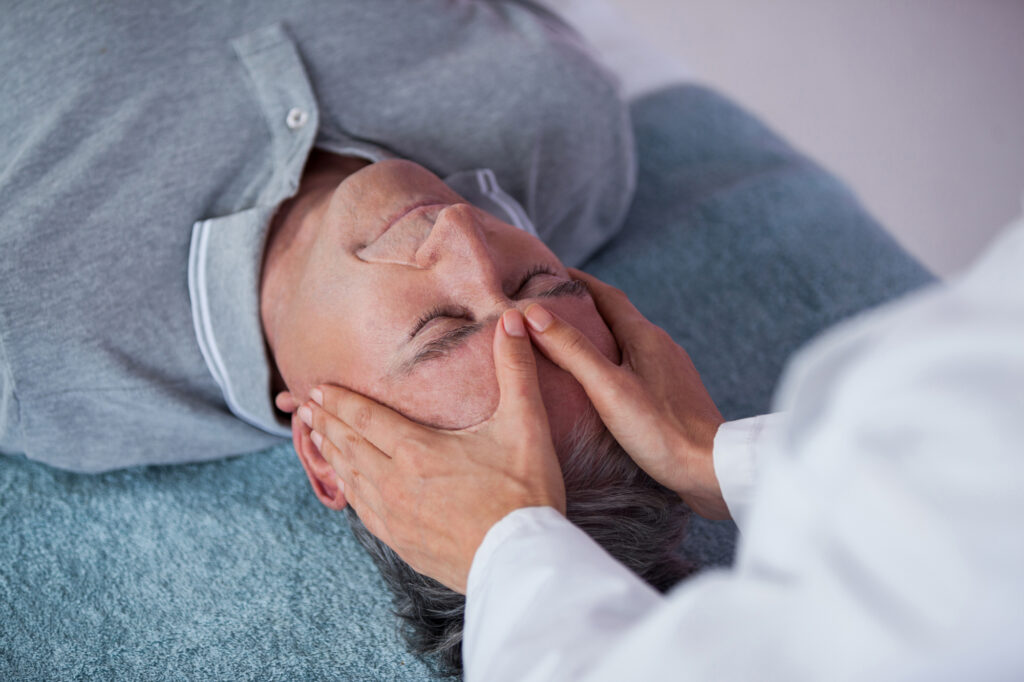
Chiropractic or Osteopathy treatment?
If you’re hesitant about the sudden, forceful spinal manipulations often associated with chiropractic care, seeing an osteopath in Mississauga—especially near Square One or heartland centre—may be the ideal alternative.
Osteopathic manual therapy uses a gentle, hands-on approach to posture correction and musculoskeletal adjustment, without the abrupt cracking or high-velocity thrusts. Your osteopath works with your body’s natural movements to release tension, improve alignment, and restore function in a calm, controlled way. This makes osteopathic care especially suitable for those who are sensitive to forceful treatments or prefer a more holistic experience. If you’re experiencing back pain, poor posture, or joint stiffness, visit our Mississauga osteopathy clinic near Square One to discover a safer, more comfortable path to wellness.
History of Osteopathic Treatment
Osteopathy is a holistic approach to healthcare that emphasizes the interrelationship between the body’s structure and function. Founded in the late 19th century by Dr. Andrew Taylor Still, osteopathy has evolved into a respected field of medicine that focuses on treating various conditions through manual therapy and lifestyle changes.
Osteopaths are trained to assess and treat musculoskeletal issues, often incorporating techniques such as osteopath massage to relieve pain and improve mobility. If you’re searching for an “Osteopath close to me,” you can find qualified professionals who are dedicated to providing personalized care tailored to your needs. By addressing the root causes of discomfort, osteopaths aim to enhance overall well-being and promote healing. This patient-centered approach makes osteopathy a valuable option for those seeking alternative treatments for chronic pain or injury recovery.
Book Your Osteopathy Appointment Today or Free 15minutes consultation session
Quotes from the founder of Osteopathic Medicine, Dr. Andrew Taylor Still: “Osteopathy treats the cause, not the symptoms.” If that’s what you’re looking for, Mississauga Top Rehab’s leading Osteopath is nearby and ready to help identify the root cause of your issues and treat it effectively. Book your appointment today or 📞Call us at 647-571-1808 to schedule your 15 minutes free consultation and take the first step toward a healthier, more balanced life
Osteopath’s Professional Colleges and Member of the following Osteopath Associations

College of Registered Manual Osteopaths(RMO)
The Canadian Alliance of Alternative Medicine (ACMA)
National academy of Osteopathy (NAO)
Diploma in Osteopathic Manual Practice (DOMP)
Download our Osteopathy Flyer for anyone that you want to refer for our Osteopath Mississauga clinic services
FAQ – Frequently Asked Questions About Osteopathy
If you’ve heard of osteopaths but aren’t quite sure what they do—or want to find out what is Osteo, or whether osteopathy could help you, or search for Osteopath nearby in Mississauga, this page is for you to find out top rehab’s osteopathy services
Manual osteopathy, often referred to simply as “osteopathy,” is a hands-on, holistic approach to healthcare. It is called “manual” because osteopaths primarily use their hands—rather than machines or external devices—to assess and treat clients, unless otherwise requested.
In simple terms, manual osteopathy can be described as holistic manual medicine. It is a system of healthcare that focuses on diagnosing and treating the body’s structural imbalances to help optimize physiological function. Osteopathic treatment combines manual palpation and Osteopathic Manipulative Therapy (OMT) with clinical assessments based on biomechanics, orthopedics, and neurology.
Manual osteopathy is best known for effectively treating neuro-musculoskeletal conditions, including but not limited to:
Back and neck pain
Poor posture or circulation
Sciatica
Sports injuries
Postural strain
Headaches or migraines
Anxiety
Muscle spasm
Carpal Tunnel Syndrome
Temporomandibular Joint Dysfunction
Tennis or Golfer’s elbow
Arthritis
Sinus Congestion
Knee Pain
& many, many more
By restoring structural balance, manual osteopathy supports the body’s ability to function at its best.
Osteopathy was founded by Dr. Andrew Taylor Still in the late 1800s. The term “osteopathy” originates from the Greek words osteon (meaning “bone”) and pathos (meaning “suffering” or “disease”) (Parsons et al., 2006).
Manual osteopathy is a holistic system of healthcare that focuses on diagnosing and treating the body as an integrated whole. The body functions in harmony when each part contributes effectively to the overall system. Therefore, any internal or external change in one part of the body can affect the entire system.
The core philosophy of manual osteopathy is to treat the whole person rather than just a specific disease, emphasizing the body’s natural ability to heal itself—with the support of hands-on techniques. It is a form of alternative medicine that is drug-free, non-invasive, and focused on manual methods.
Manual osteopathy addresses neuromusculoskeletal disorders using a variety of techniques, including:
Joint mobilizations
Muscle energy techniques
Soft tissue therapy
Visceral manipulation
Craniosacral therapy
Stretching
These techniques help to:
Stretch and release muscles, tendons, and fascia that restrict mobility
Strengthen unstable joints
Enhance blood circulation and lymphatic drainage
Improve nerve supply
In addition to hands-on treatment, manual osteopaths often provide guidance on diet, exercise, and lifestyle choices to support long-term health and well-being through a truly holistic approach.
An osteopath assesses the body’s structure and function, then applies manual therapy techniques to restore balance and relieve pain. These techniques may include soft tissue massage, deep tissue massage, cranial therapy (a gentle form of touch used to treat headaches, migraines, and concussions), joint mobilization, muscle energy techniques, stretching, and manipulation.
Treatments are designed to improve circulation, reduce tension, and support the body’s natural healing process.
In addition to hands-on care, osteopaths also provide guidance on posture, ergonomics, lifestyle, and exercise to help prevent future issues and promote overall well-being.
Osteopaths treat a wide range of conditions including but not limited to:
Back and neck pain
Sciatica
Frozen shoulder
Hip and joint stiffness
Plantar fasciitis
Poor posture and tension-related headaches
Osteopathic treatment includes a range of manual techniques like:
Soft Tissue Therapy – to relax and stretch tight muscles
Joint Mobilization – to improve joint function
Muscle Energy Technique – to correct posture and balance
Each treatment is personalized to your unique body and pain condition.
In Canada and some other countries, osteopaths are not medical doctors (MDs), but rather trained as Osteopathic Manual Practitioners. They are highly skilled in anatomy, physiology, and hands-on techniques, but they do not prescribe medication or perform surgery.
Canadian Osteopathic manual practitioners (also known as manual osteopaths to distinguish themselves from American style osteopathic physicians who perform surgery and prescribe medications) assess and treat the whole person, not just the symptomatic region. So for example if a patient presents with headache they will be structurally assessed from head to toe. This is because the primary cause may be remote from the symptoms. For example; Unilateral pes plannus (flat feet) > functional leg length discrepancy> pelvic torsion> scoliosis> cervicogenic tension headache. This cause would only be detected with an holistic assessment.
In contrast, in the United States, Doctors of Osteopathy (DOs) are fully licensed physicians who can practice medicine and surgery. Both roles share the osteopathic philosophy, but their scope of practice varies significantly depending on the country.
Osteopathic medicine is a form of healthcare that emphasizes the interconnection between the body’s structure and function, as well as its inherent ability to heal itself. It includes manual therapy as a key treatment method and also encompasses health education, rehabilitation, and preventive care.
In countries like the U.S., osteopathic medicine also includes full medical training, allowing DOs to prescribe medication and perform surgery.
The practice of manual osteopathy combines current medical knowledge with the osteopathic philosophy. Scientific plausibility and evidence-based outcomes have a high priority in patient treatment and case management. Manual osteopathy is a patient centred approach to health care rather than disease centred.
To become an osteopath in Canada, one typically completes a diploma in Osteopathic Manual Practice from a recognized institution, which includes extensive training in anatomy, physiology, pathology, and manual therapy techniques.
After completing formal education, practitioners often gain clinical experience under supervision and may join professional associations like RMO/CRMO/ACMA/NMOS/SOC to ensure continuing education and high standards of practice.
To become an osteopath in Canada, one typically completes a diploma in Osteopathic Manual Practice from a recognized institution, which includes extensive training in anatomy, physiology, pathology, and manual therapy techniques.
After completing formal education, practitioners often gain clinical experience under supervision and may join professional associations like RMO/CRMO/ACMA/NMOS/SOC to ensure continuing education and high standards of practice.
No, Osteopaths and chiropractors are distinct types of healthcare practitioners, each offering unique approaches to treatment. Chiropractors primarily focus on spinal adjustments and alignment, often aiming to optimize nerve function by correcting vertebral subluxations.
Osteopaths, however, provide a more holistic form of care. Rather than treating just the spine, osteopaths address the entire musculoskeletal system—including muscles, joints, and connective tissues—to support the body’s natural ability to heal. Osteopathic treatment often includes gentle, hands-on techniques such as cranial therapy and visceral therapy, making it suitable for a wide range of patients.
In fact, osteopathy is safe for seniors, supporting mobility and longevity, and is also gentle enough for pediatric babies, helping with issues like colic, sleep, and development. Osteopaths may also offer postural assessments, stretching, and lifestyle guidance to address the root causes of pain or dysfunction—not just the symptoms.
For a deeper comparison, see our next section: Osteopath vs Chiropractor—What’s the Difference?
If you’re hesitant about the sudden, forceful spinal manipulations often associated with chiropractic care, seeing an osteopath may be the perfect alternative. Osteopathic manual therapy offers a gentle, hands-on approach to posture correction and musculoskeletal alignment without the abrupt cracking or high-velocity thrusts.
our experienced Osteopath Mississauga clinic practitioners using precise, low-force techniques, osteopath works with your body’s natural rhythms to restore balance, relieve tension, and improve function—making it ideal for those with sensitivity, fear of manipulation, or chronic conditions. Whether you’re dealing with back pain, poor posture, or stiffness, osteopathic adjustment is a safe, calming way to support your long-term health and comfort.
Chiropractors primarily focus on spinal adjustments, especially in the neck, thoracic, and lower back (lumbar) regions, targeting the alignment of vertebrae. In contrast, osteopaths take a more comprehensive approach, treating the entire musculoskeletal system. Guided by the principle that all parts of the body are interconnected, osteopathic care involves techniques such as therapeutic massage, joint manipulation, and stretching to address the root causes of pain and dysfunction.
From an intake and insurance perspective, MVA (Motor Vehicle Accident) and WSIB (Workplace Safety and Insurance Board) clients are typically required to see a chiropractor or physiotherapist first for assessment and treatment planning. For reporting and claim purposes, an initial visit to an osteopath is generally not permitted under these programs.
In terms of treatment experience, osteopathic sessions are booked based on duration—ranging from 30 to 90 minutes depending on the complexity of the condition. On the other hand, chiropractic adjustments are often shorter, medical-style procedures, typically lasting 5 to 15 minutes. However, many chiropractic doctors, including those at Top Rehab Mississauga Clinic, may also incorporate advanced therapies such as shockwave therapy, Bioflex cold laser treatment, TENS professional, or ultrasound modalities to enhance outcomes and speed up recovery.
Osteo Massage is a short form of Osteopathic Massage. Osteopathic massage is a hands-on manual therapy used by an osteopath to release muscle tension, improve blood flow, support joint mobility, and encourage the body’s natural healing process. Unlike a standard relaxation massage, osteopathic massage is part of a holistic osteopath treatment plan, targeting the root cause of pain or dysfunction rather than just the symptoms.
This technique blends deep tissue massage, Chinese Tui-na Massage, myofascial massage release, fascia massage, lymph massage and gentle mobilization to restore balance across the musculoskeletal system. It’s commonly used to treat back pain, neck stiffness, sports injuries, poor posture, and stress-related tension.
If you’re searching for a qualified osteopath offering osteopathic massage near me in Mississauga or or in your area, look for licensed practitioners who assess your full-body alignment and create a personalized care plan including Osteopathic massage at its best skills. In Top Rehab we are famous for our Osteopathic massage by legendary Chinese practitioner with authentic Chinese tui na massage and Foot reflexology massage known as Foot Osteo, do not miss our best Osteopath treatment in Mississauga square on and heartland area.
Osteopaths are available in many areas, and you can often find one nearby through an online search or professional registry. It’s important to check their qualifications and experience, whether their practice under their profession associations are accepted by your insurance company and plan. If you’re in Top Rehab’s service area, we offer direct online booking with our Master Osteopath Practitioners, and direct billing capabilities with 35 insurance companies if your policy allows so. (except Canada Life, Canada life PHSCP or RCMP plan, or Industrial Alliance)
Yes, osteopathic treatment is considered safe during pregnancy when performed by a qualified practitioner.
It can help alleviate common pregnancy-related discomforts such as lower back pain, Back pain, Rib discomfort, Shortness of breath, pelvic pain, hip pain and sciatica. Osteopaths use gentle, non-invasive techniques tailored to each trimester, supporting the body’s structural changes during pregnancy and promoting overall comfort.
in Top Rehab Mississauga, we provide the Prenatal and Postnatal Osteopathy Services, come to book an appointment in our clinic to be treated by one of our experienced Osteopathic Manual Practitioners focusing their practice on prenatal and postnatal care. or or free 15 minutes consultation to answer your questions.
Yes, in Ontario, osteopathic manual treatments are typically covered under **extended health care insurance plans**, depending on your osteopathy provider’s qualifications and the coverage stipulated in your policy. Most major insurance companies, such as Sun Life, Manulife, Green Shield, Desjardins, Co-operators, Claim Secure, Chambers, Liuna Local 183, Maximum, People Corporation, RBC, RWAM, and SSQ, BlueCross among others, who recognize the services of an Osteopathic Manual Practitioner, who must be a member of a recognized regulatory association, such as the College of Registered Manual Osteopaths (CRMO).
However, coverage can vary widely between plans. It’s always best to check your individual insurance policy or speak with Top Rehab’s experienced staff where you could find it is an accepted professional Osteopathy Mississauga Clinic, to help you to check and confirm your eligibility and coverage amount for osteopathic care.
Seeing an Osteopath for service does not need a referral unless it is required by your insurance policy when we help you to process the eclaims, please bring your medical doctor prescription in this scenario.
Your feet are the foundation of your body—bearing your full weight, stabilizing your posture, and supporting every step you take. With 26 bones (plus small 2 sesamoid bones) compacted into a small, complex structure, the human foot is one of the most intricate and hard-working parts of the musculoskeletal system. Even a slight misalignment in the foot can trigger a chain reaction of pain or dysfunction affecting the ankles, knees, hips, lower back, and even shoulders.
At Top Rehab Clinic, our approach to foot osteopathy is holistic and precise. Our foot osteopath uses manual techniques to gently guide foot and ankle bones back to their natural, functional alignment. This process, known as foot osteopathic massage, not only alleviates local foot pain but also helps to restore balance throughout the entire body.
What makes our care unique is the integration of foot reflexology techniques into our osteopathic sessions. By targeting key reflex zones on the foot sole and toes, we stimulate vital connections to internal organs and body systems. This not only improves blood circulation in the far-end vessels but also helps to enhance sleep quality, regulate digestion, and reactivate the body’s natural healing functions.
Yes, we offer **direct billing** for osteopathic services through the **Telus Health eClaim** platform. This convenient service allows us to bill many major insurance providers directly, reducing or eliminating your out-of-pocket costs at the time of your appointment.
Not all insurance companies participate in the eClaim system for osteopathy, so please provide your insurance details when you call or online booking with our Osteopathy Mississauga Clinic’s system, or one day at least ahead of your appointment so we can verify eligibility and process claims smoothly.
In Ontario, **direct billing for osteopathic treatments** is allowed **when provided by a recognized osteopathic manual practitioner** registered with a professional association such as CRMO. Clinics that are registered and authorized to bill through systems like **Telus eClaim** or individual provider portals (e.g., Blue Cross, Green Shield, Madaive Bluecross, Claimsxchange for Co-operator ) can process claims directly on your behalf.
Our clinic is licensed and set up for direct billing with most major insurance providers. This makes it easier for you to receive the care you need without dealing with the hassle of paper claim submissions.
At Top Rehab, we’ve developed a convenient in-house tool on this page to help you quickly check which insurance companies accept osteopathy services—and among them, which ones we can direct bill on your behalf. We provide osteopathy direct billing on a daily basis, as long as your individual policy allows. This makes it easier than ever to access care from a qualified osteopath without the hassle of upfront payments. Whether you’re looking for an osteopath in Toronto or searching for an osteopath close to me, Top Rehab is committed to making your osteopathic treatment smooth, accessible, and stress-free.
Yes, osteopathic treatment can improve circulation, reduce inflammation, and address biomechanical issues that contribute to Achilles tendonitis. Manual techniques and guided exercises may be used to relieve pain and promote healing.
Osteopaths can help alleviate carpal tunnel syndrome symptoms by addressing tension and tightness in the forearm, wrist, and shoulder. They work to improve nerve mobility, circulation, and posture to reduce pressure on the median nerve.
Yes, osteopaths use manual techniques to improve pelvic alignment, reduce soft tissue tension, and release any restrictions that may be contributing to coccyx pain. This can bring relief and improve sitting comfort over time.
Osteopathic treatment may help manage functional constipation by improving mobility of the abdominal organs and reducing tension in the diaphragm and lower spine. Techniques like visceral manipulation can enhance bowel function naturally.
Yes, osteopaths can treat hip bursitis by reducing inflammation, improving joint mobility, and addressing muscular imbalances or gait issues that put strain on the hip. This holistic care can reduce pain and improve movement.
Yes, an osteopath can assist in managing symptoms of Irritable Bowel Syndrome (IBS), particularly if the condition is linked to stress, poor posture, or musculoskeletal imbalances. Osteopathic techniques such as visceral manipulation can help improve mobility of the digestive organs, reduce abdominal tension, and support nervous system balance. While osteopathy does not cure IBS, it can relieve associated symptoms like bloating, cramping, and discomfort when part of a holistic care plan.
Osteopaths regularly treat plantar fasciitis by addressing the mechanics of the foot, ankle, and lower leg. Manual therapy techniques focus on reducing inflammation, releasing tension in the plantar fascia, and correcting gait or posture issues that may be contributing to the pain. Rehabilitation exercises and advice on footwear and ergonomics are also provided to prevent recurrence.
Top Rehab’s manual Osteopath integrate the foot osteopathic massage, not only alleviates local foot pain but also helps to restore balance throughout the entire body.
Yes, osteopaths can effectively help with sciatic pain by identifying and treating the underlying causes, such as muscle tension, spinal misalignment, or disc issues. Through hands-on therapy, stretching, and mobilization, they work to relieve pressure on the sciatic nerve and improve function. A tailored approach helps reduce inflammation, restore movement, and support long-term recovery.
Osteopathic treatment can relieve shoulder impingement by restoring joint mobility, reducing muscular tightness, and improving shoulder blade alignment. Manual techniques focus on improving range of motion and reducing inflammation in the rotator cuff and surrounding tissues. Treatment is often complemented by rehabilitation exercises to strengthen the shoulder and prevent future issues.
Yes, osteopaths may provide relief for sinus congestion and pressure by using gentle cranial osteopathy or lymphatic drainage massage or trigger point release techniques. These methods can enhance fluid movement, reduce swelling, and support the body’s natural immune response. While not a replacement for medical care in cases of infection, osteopathy may complement conventional treatment for sinus-related discomfort.
Osteopaths can support patients with spinal stenosis by improving posture, mobility, and muscle balance around the spine. While they cannot reverse the narrowing of the spinal canal, treatment can help manage pain, reduce nerve compression symptoms, and enhance mobility. Gentle, targeted techniques are used to decrease stiffness and support better alignment.
Yes, osteopaths can help certain types of vertigo, especially those caused by tension in the neck or dysfunction in the upper cervical spine. By using gentle manual techniques to improve blood flow and reduce tension, osteopaths can address contributing mechanical factors. For cases like benign paroxysmal positional vertigo (BPPV), repositioning maneuvers and cranial techniques may also provide relief.
In Canada and many other regions, osteopaths who are not licensed medical doctors (e.g., Osteopathic Manual Practitioners) cannot directly order MRIs. However, they can assess your condition and, if needed, refer you to a medical professional who can authorize diagnostic imaging. They may also help interpret findings once obtained.
The word “osteopathe” is not wrong, however it depends on the language spoken; “Ostéopathe” (without the accent in some informal uses as “osteopathe”) is the correct French word for “osteopath.” which is widely Used in European countries like France, Canada (Quebec), Belgium. Even in Canada each month this word appears 3600 times each month averagely. in Google Translate it even translate osteopathe to Mandarin as “doctor of Osteopathic” interesting. “Osteopathe” is not correct in standard English because the correct term in English is: “osteopath.”
Yes, mild soreness or fatigue for 24–48 hours after osteopathic treatment is quite normal. This is due to your body adjusting to the changes made during the session. The discomfort is usually temporary and part of the natural healing process. Staying hydrated, resting, and light movement can help ease post-treatment symptoms.
Yes, osteopaths can relieve symptoms of a pinched nerve by reducing muscular tension, improving joint mobility, and correcting postural imbalances. Techniques may include gentle stretching, mobilization, and targeted manual therapy. These treatments help reduce nerve compression and promote better nerve function.
While an osteopath cannot repair a torn meniscus directly, they can help manage the symptoms. Osteopathic treatment focuses on reducing inflammation, improving joint mechanics, and supporting surrounding muscles. This can alleviate pain and promote better function, particularly in cases of minor or degenerative tears.
In Top Rehab, we normally use our advanced Bioflex Colder laser treatment to help with torn meniscus at the cellular level, either by our Osteopath or booked under Physiotherapy or Chiropractic sessions.
The frequency of osteopathic treatments depends on several factors, including the nature of your condition, its severity, and your personal health goals.
• Acute pain or injury (e.g., back pain, sports injuries): You may need 1–2 sessions per week initially for the first 2–3 weeks.
• Chronic conditions (e.g., arthritis, scoliosis, recurring migraines): Maintenance care every 2–4 weeks may be appropriate.
• Preventative care or post-rehabilitation support: Monthly or seasonal visits can help maintain optimal mobility and function.
At your initial consultation, Our Osteopath Toronto Mississauga clinic practitioner(s) will perform a thorough assessment and develop a **personalized treatment plan** to address your unique needs and goals. Please make sure to ask our Osteopath about your treatment plan and when you need the next treatment at the end of the session
**Visceral Manipulation or Visceral Therapy**, a specialized form of osteopathic manual therapy, targets the internal organs (viscera) such as the liver, stomach, intestines, kidneys, and bladder. It is based on the idea that optimal motion and alignment of these organs contribute to better health throughout the body.
Visceral therapy may benefit people with:
• Chronic digestive issues (IBS, constipation, bloating)
• Acid reflux or heartburn
• Menstrual pain and pelvic discomfort
• Chronic fatigue or low immunity
• Post-surgical adhesions and scar tissue
• Unexplained back or abdominal pain
By gently working on the mobility of the organs and surrounding tissues, manual Osteopath helps restore balance in the body, improves circulation, and relieves pain or dysfunction rooted in visceral tension.
**Craniosacral Therapy (CST)** is a gentle, hands-on osteopathic technique that focuses on assessing and improving the flow of cerebrospinal fluid within the **craniosacral system** — the membranes and fluids surrounding your brain and spinal cord.
CST is often used to treat:
• Chronic migraines or headaches
• Neck and jaw pain (TMJ dysfunction)
• Post-concussion symptoms
• Sleep disorders and fatigue
• Emotional tension, stress, and anxiety
• Fibromyalgia and central nervous system sensitivity
• Developmental delays in children
This subtle and deeply relaxing therapy works to remove restrictions in the craniosacral system, encouraging the body’s natural healing process. Clients frequently report feeling a deep sense of calm, clarity, and relief after CST sessions
Craniosacral Therapy (CST) is a gentle, whole-body osteopathic technique using light touch (about 5 grams of pressure) to support the craniosacral system and central nervous system, helping the body relax and heal.
CST is often used before manual osteopathy to shift the body from a stressed (sympathetic) state to a relaxed (parasympathetic) state. This enhances the effectiveness of osteopathic treatments.
When the body is in a relaxed parasympathetic state, it responds better to manual therapy, allowing deeper healing, greater progress, and improved treatment outcomes.
Yes, both CST and manual osteopathy support the body’s return to homeostasis—a balanced, self-regulating state—which improves overall health and helps prevent future injuries.
CST involves a very light touch—only about 5 grams—making it a non-invasive and deeply calming experience. Many clients feel relaxed and restored during and after sessions.
Is Craniosacral Therapy effective for nervous system regulation?
The National Academy of Osteopathy (NAO) in Toronto is Canada’s premier manual osteopathy college, offering a Diploma in Osteopathic Manual Practice (DOMP) with both online and on-campus formats at York University Heights. NAO is accredited by the Council on Manual Osteopathy Education and recognized by the College of Osteopathic Manual Practitioners of Ontario.
Founded by Dr. Shawn Pourgol, it combines European-style manual therapy training with over 250 business lectures to prepare clinicians for private practice. NAO graduates are eligible for membership in professional associations and can direct‑bill most Canadian extended health plans. With alumni practicing in 45+ countries and earning an average of $90–150k annually, NAO is a top choice for osteopathic education in Toronto